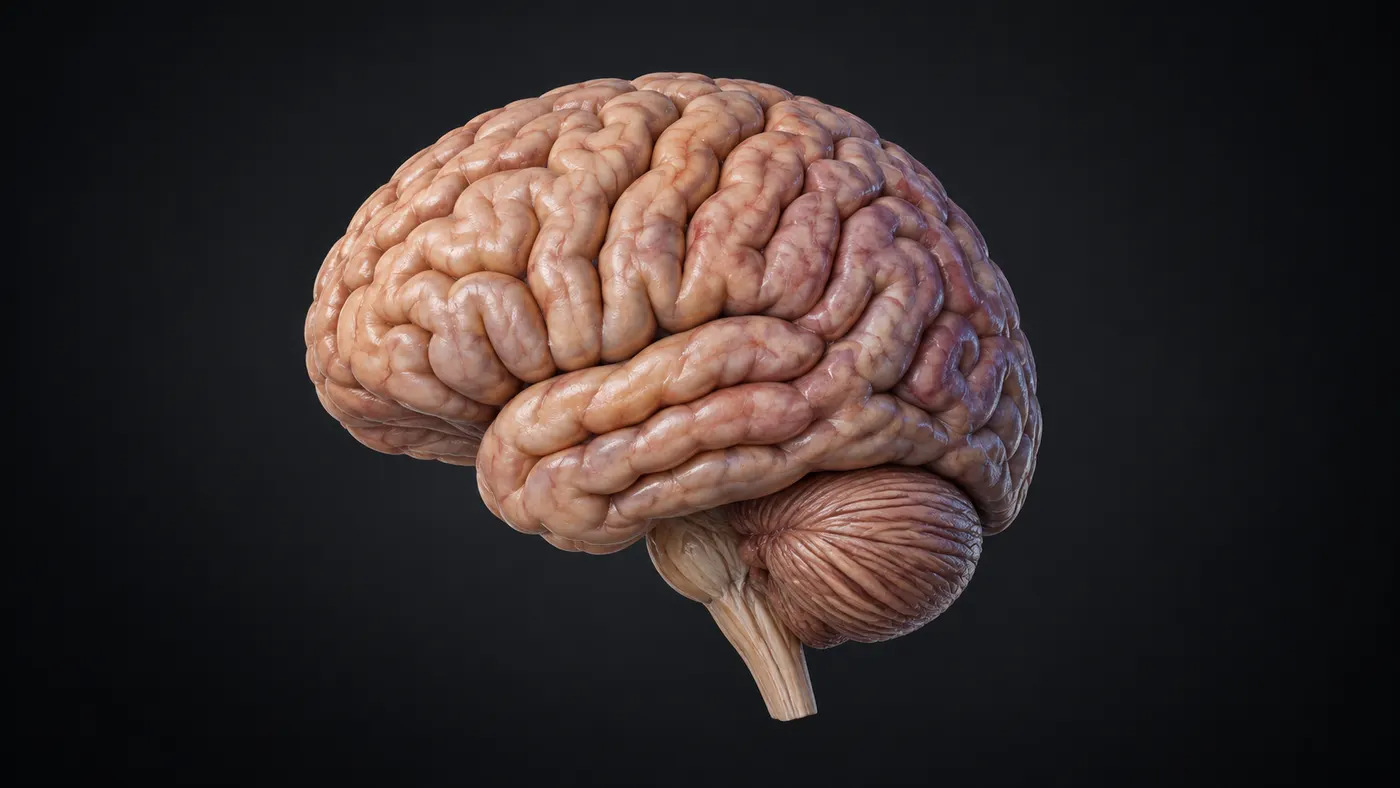
Scientists Find the Human Brain Develops From Two Separate Nervous Systems
A Stanford Medicine-led study is challenging the centuries-old view of the human brain as a single organ with one developmental origin. Researchers found that its front and back regions arise from separate populations of progenitor cells, suggesting that what we call the brain is actually composed of two ancient nervous systems packaged together.
The discovery could have practical consequences for studying diseases affecting the brain stem, including amyotrophic lateral sclerosis and spinal muscular atrophy.
The human brain has two developmental origins
According to Stanford Medicine, scientists previously worked with a model in which one early progenitor cell population eventually produced the entire brain.
The new research instead shows that the forebrain and hindbrain originate from distinct progenitor cells. The findings were published in Nature Neuroscience on September 18.
The two regions perform very different jobs
The forebrain supports higher cognitive abilities including language, consciousness and abstract reasoning. The hindbrain, which includes structures associated with the brain stem, controls fundamental functions such as breathing, sleep, heartbeat and hunger.
It also contains neurons involved in controlling muscles of the face, tongue and throat, making the region important for speech and swallowing.
The discovery could improve neurological disease research
Scientists have historically struggled to produce some human hindbrain neurons in the laboratory. By identifying their separate developmental origin, the Stanford team says it can now grow neurons from the hindbrain in a dish and study them more directly.
That could provide new experimental models for diseases such as ALS and spinal muscular atrophy. The research does not mean humans literally have two independent brains operating inside the skull; rather, it changes scientists' understanding of how different regions of the nervous system originate and develop.