Panasonic develops solid-state battery that can operate at temperatures up to 150°C
Panasonic Energy has developed a new solid-state battery capable of operating at temperatures as high as 150°C. The company plans to begin supplying the first samples to customers between October and December 2026.
Although solid-state batteries are widely discussed as a future technology for electric vehicles, Panasonic’s new cell is not currently intended to power EVs. Its first applications are expected to include industrial equipment and automotive sensors.
Panasonic solid-state battery can withstand up to 150°C
According to Reuters, citing Panasonic Energy Chief Technology Officer Shoichiro Watanabe, the maximum operating temperature of the company’s solid-state cells has been increased from 125°C to 150°C.
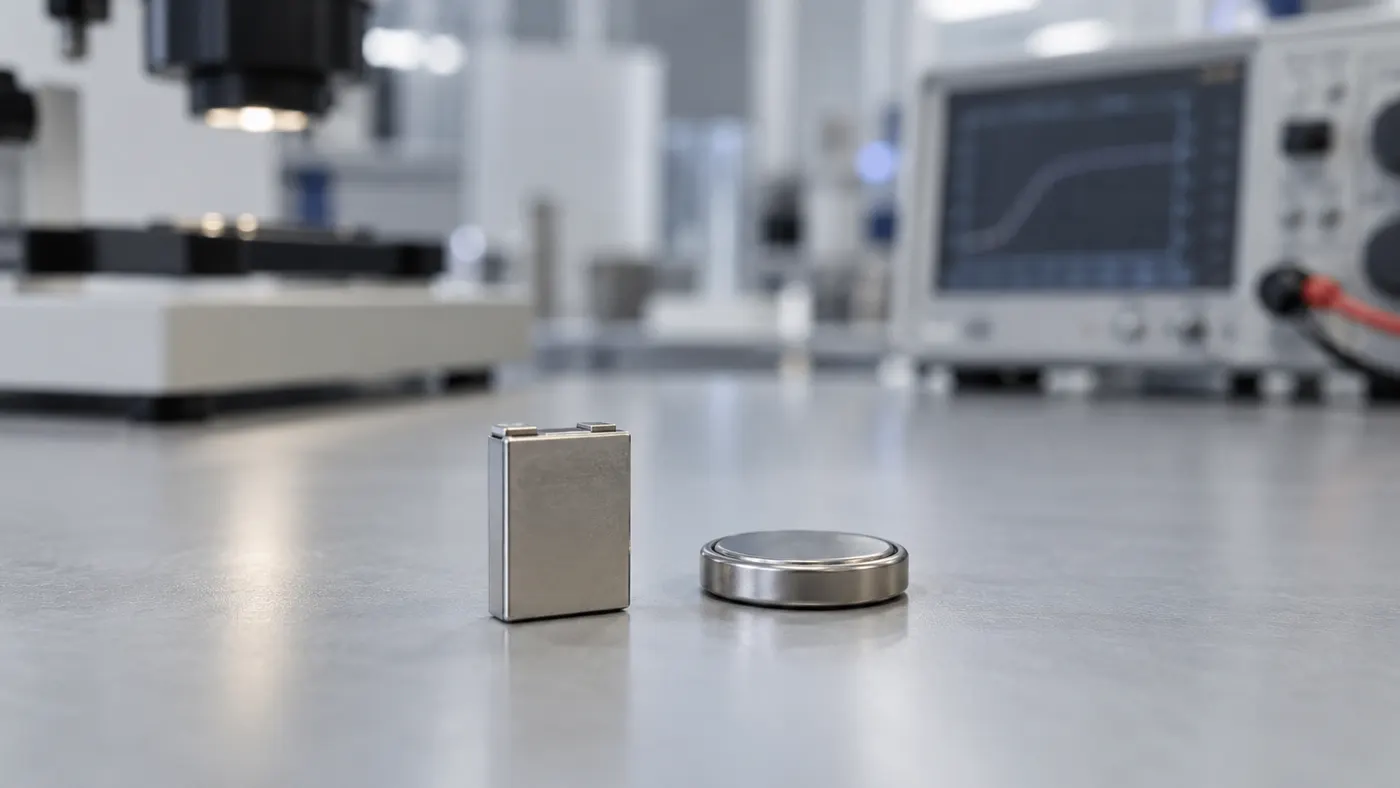
Panasonic has also developed a compact prismatic cell. Compared with the company’s previous small round format, the rectangular design gives manufacturers greater flexibility when installing batteries inside equipment.
Where the new solid-state batteries could be used
Panasonic is initially targeting devices and systems that need to operate reliably in high-temperature environments.
- automotive sensors;
- industrial equipment;
- systems installed inside manufacturing machinery;
- potentially medical equipment requiring high-temperature sterilization.
Solid-state batteries differ from conventional lithium-ion batteries by using a solid electrolyte instead of a liquid one. The technology is considered one of the promising directions for the future development of batteries.
When Panasonic plans to begin mass production
Panasonic Energy plans to provide the first samples of its new cells to customers in the final quarter of 2026. The company expects mass production to begin approximately one to two years after sample shipments start.
For now, this is not a production-ready Panasonic solid-state battery for electric vehicles. The company is starting with small industrial cells, where resistance to extremely high temperatures could provide a practical advantage much sooner.