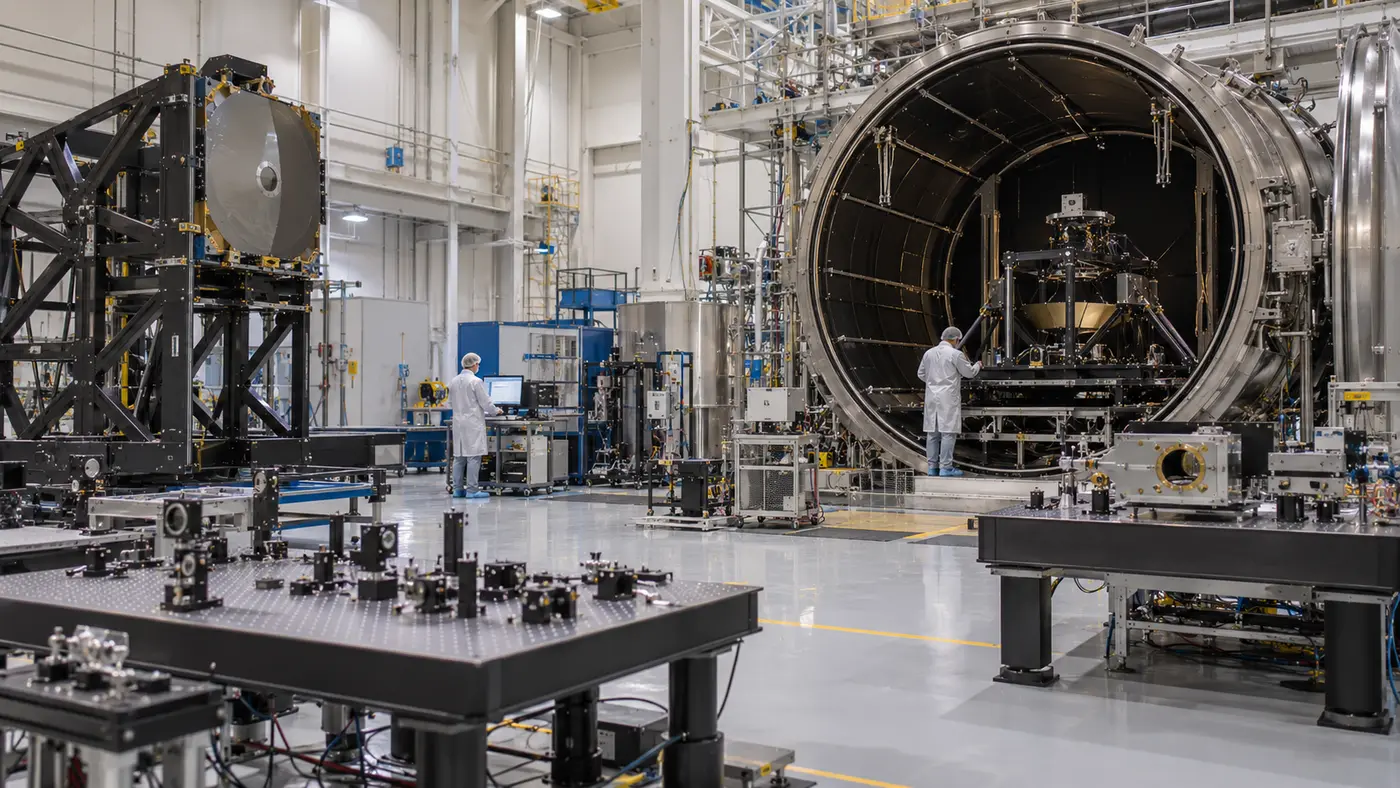
NASA selects PRIMA space telescope for further development, targets 2033 launch
NASA announced on September 23, 2026, that the proposed PRIMA space telescope has been selected to advance to the next development phase. The mission is intended to study the formation and evolution of stars, planets, galaxies and black holes using far-infrared observations.
PRIMA, short for Probe far-Infrared Mission for Astrophysics, is the first mission selected for further development under NASA's new Probe Explorers astrophysics programme. Its planned launch date is in 2033.
What will the PRIMA space telescope study?
According to NASA's official announcement, the observatory will use a telescope measuring approximately 5.9 feet, or 1.8 metres, across.
It will observe the universe at far-infrared wavelengths, allowing researchers to investigate radiation that existing observatories cannot study in the same way.
The mission's scientific objectives include examining the origins of planets beyond our solar system, the growth of galaxies and black holes, and the accumulation of dust and heavy elements throughout cosmic history.
What stage has the project reached?
NASA has authorised PRIMA to enter Phase B, which covers preliminary design and further technology development. The telescope has not yet received final approval to begin full implementation.
A subsequent confirmation review will assess the project's technical readiness, schedule and costs before it can proceed to Phase C.
When could PRIMA launch?
NASA is targeting a launch in 2033 and plans a five-year scientific mission.
If the project passes its confirmation review, its cost will be capped at $1.2 billion, excluding launch expenses and other costs outside the project budget.
NASA's Jet Propulsion Laboratory will manage the mission, with contributions from several American research centres and international partners.
Source: NASA, official news release dated September 23, 2026.