NASA and IBM launch AI model to explore the Moon and search for ice
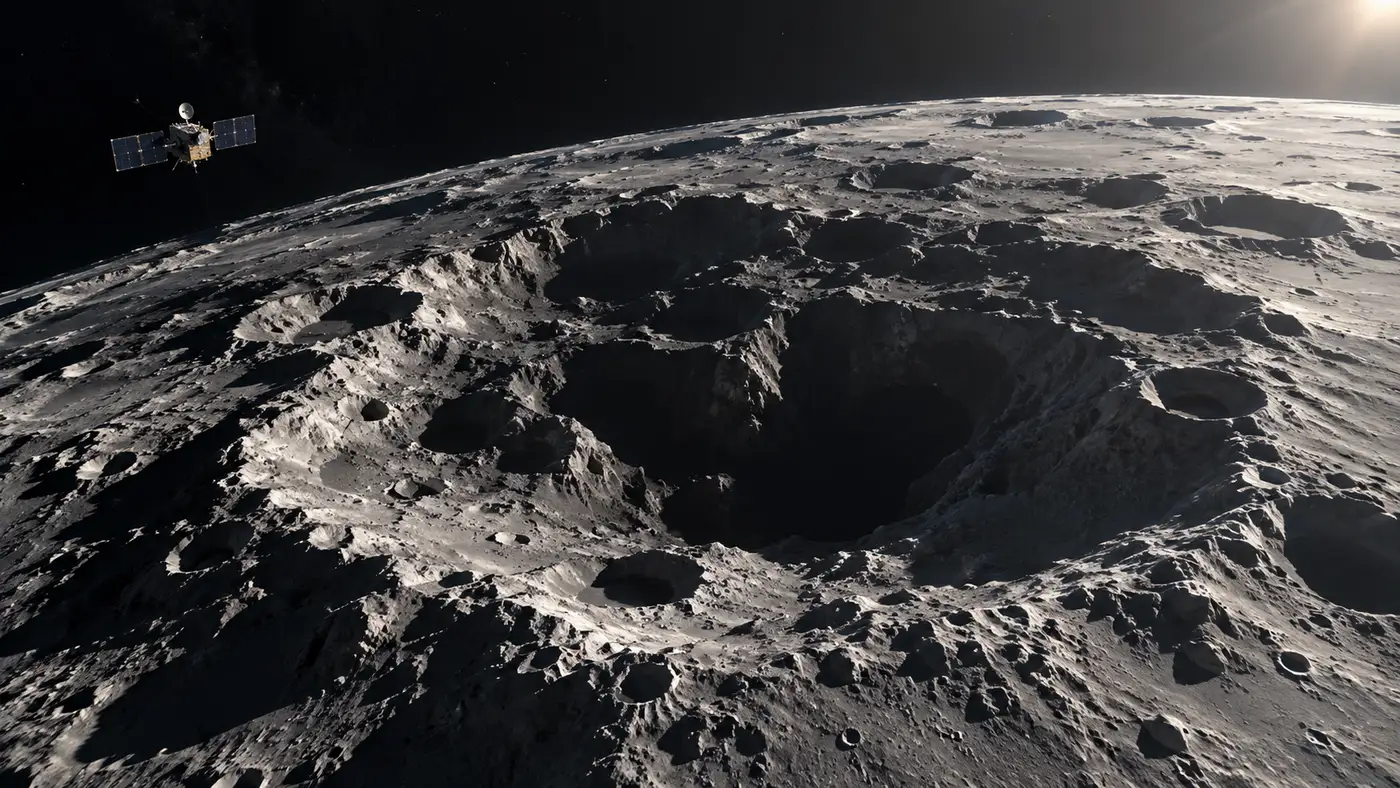
NASA and IBM have introduced a new artificial intelligence system designed to help scientists explore the Moon. The NASA-IBM Lunar Foundation Model can analyze large volumes of satellite data and identify features of the lunar surface, including craters, potential ice deposits and volcanic formations.
The model has been released as open source and is primarily intended for scientific research. It was trained using data from several space missions and can combine observations that previously had to be analyzed separately.
AI could help scientists create more accurate maps of the Moon
According to IBM, the new AI model outperformed commonly used methods for recognizing features on the lunar surface by up to 23% in certain tests.
Researchers prepared more than 30 harmonized data layers collected by nine instruments across four space missions. The dataset contains tens of thousands of images and maps, including observations from NASA's Lunar Reconnaissance Orbiter and GRAIL missions, as well as Japan's SELENE/Kaguya mission.
One important application is identifying potential water ice in permanently shadowed regions of the Moon. These resources could become important for future long-duration lunar missions, while more accurate crater maps could help researchers identify safer locations for landings and infrastructure.
NASA has made the model and prepared datasets publicly available so research teams can use them for their own lunar exploration projects.