Life in the Czech Republic After Moving: What Changes in Daily Life, Habits, and Expectations
Life in the Czech Republic after moving often turns out to be different from what a person imagined in advance. Before arrival, people usually have a simple picture in their mind: calm Europe, stable work, beautiful streets, convenient transport, and a more predictable everyday life.
Partly, this is true. The Czech Republic has a lot of order, a good transport system, a calm urban rhythm, and clear rules. But real life does not begin at the moment of arrival. It begins later — when you have to work every day, pay rent, calculate expenses, deal with everyday issues, and gradually get used to a new environment.
The most important change after moving is not only the country around you. The approach to life itself changes: to money, time, work, documents, personal responsibility, and ordinary everyday details.
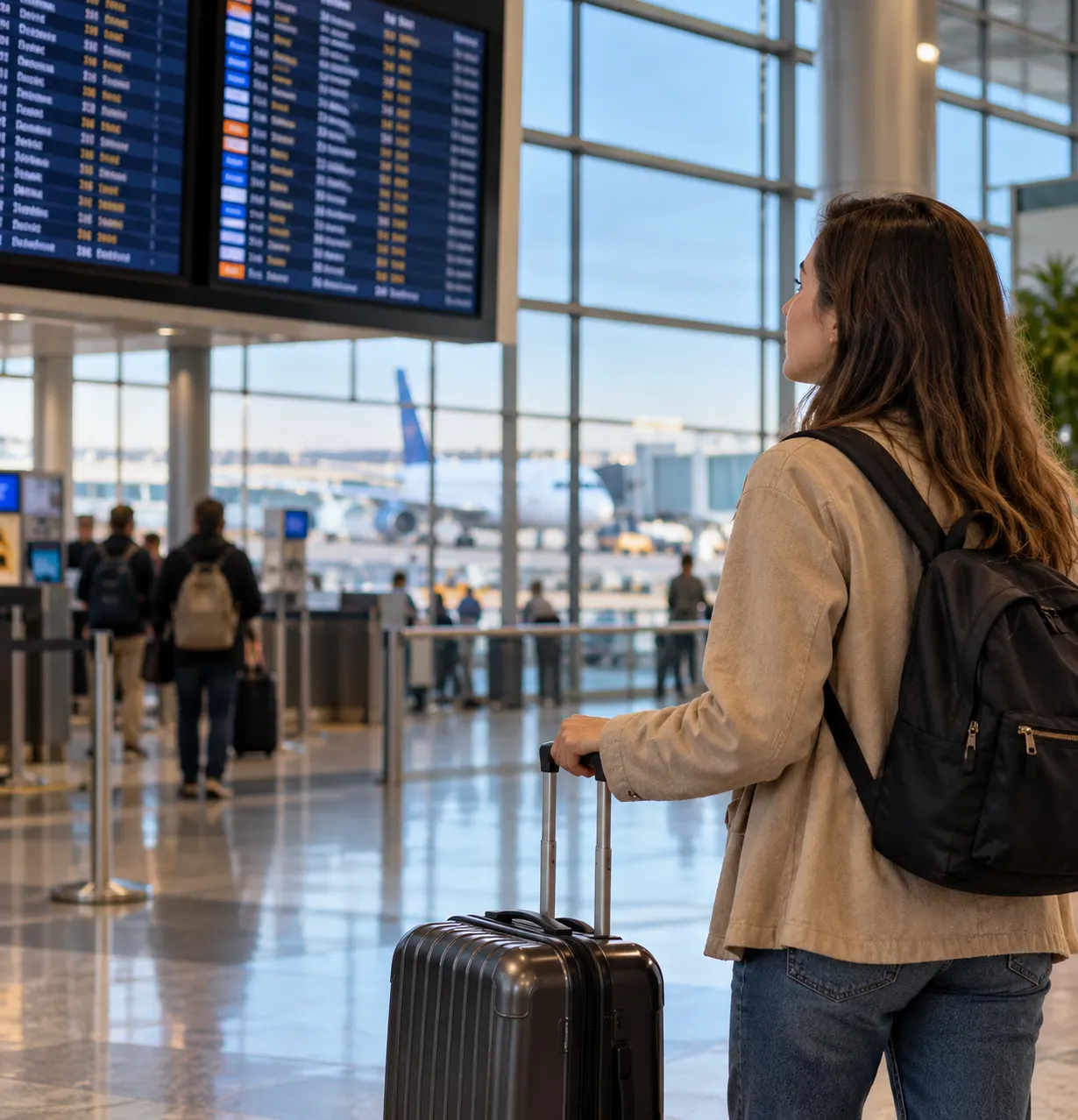
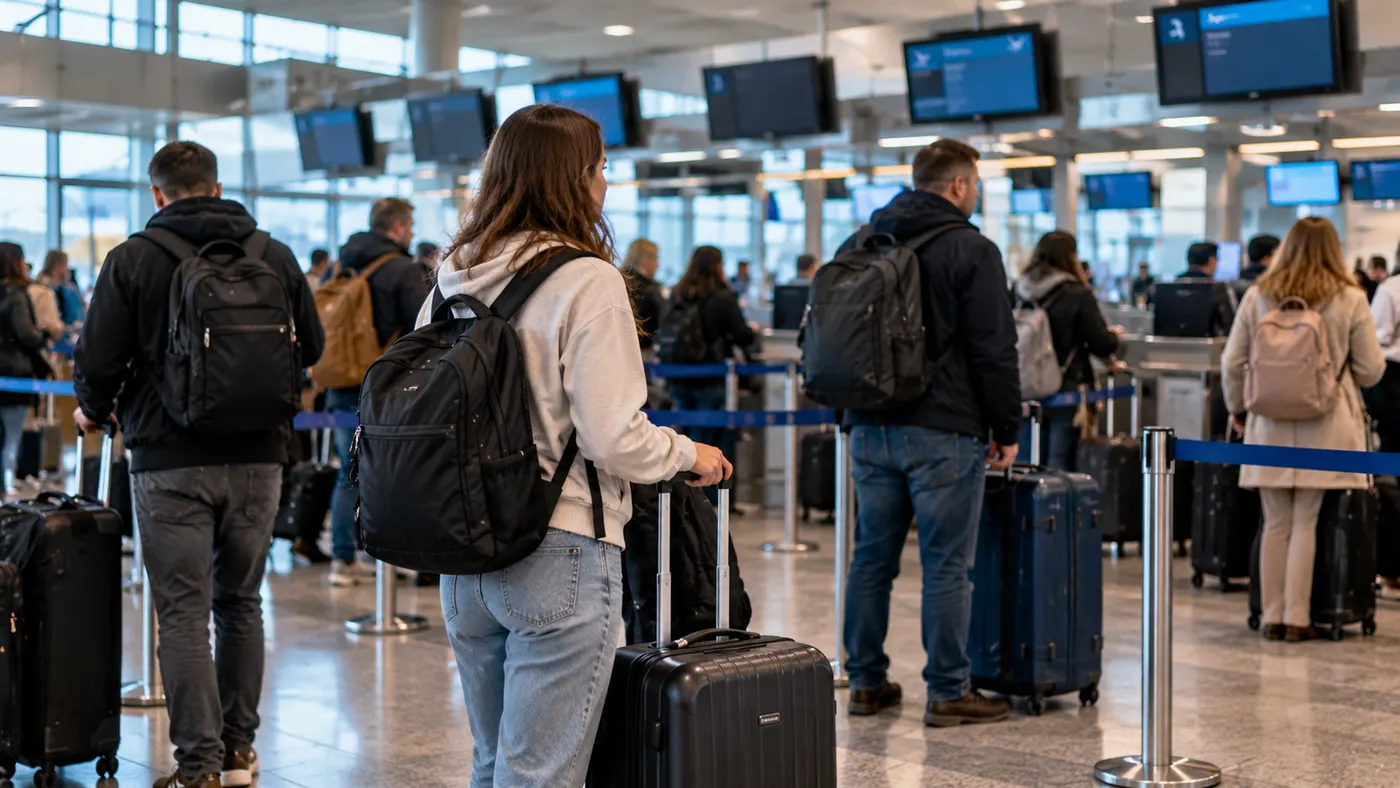
The first months usually feel like survival mode
At the beginning, almost all attention goes to basic tasks. You need to find housing, start working, sort out documents, understand transport, buy a SIM card, open a bank account, find shops, and avoid spending all your money before the first salary.
During this period, it is difficult to evaluate life calmly. A person may quickly move from the thought “everything is better here” to the feeling that everything is too complicated. This is a normal reaction to moving.
- a new country;
- a different language;
- unfamiliar rules;
- new expenses;
- job search or adaptation at work;
- housing issues;
- lack of familiar support nearby.
That is why the first months should not be seen as the final impression of the Czech Republic. It is more of a period of setting up life, when it is important not to panic, but to gradually solve the most important issues.
Why expectations often do not match reality
Before moving, many people rely on short videos, stories from acquaintances, tourist impressions, or discussions in chats. The problem is that such sources often show extremes: either everything is too beautiful, or everything is too bad.
In reality, the Czech Republic is usually perceived more calmly. There is less external chaos here, but more personal responsibility. Nobody will guide a person by the hand every day: you need to read contracts yourself, follow deadlines, pay bills, understand letters, and ask questions if something is unclear.
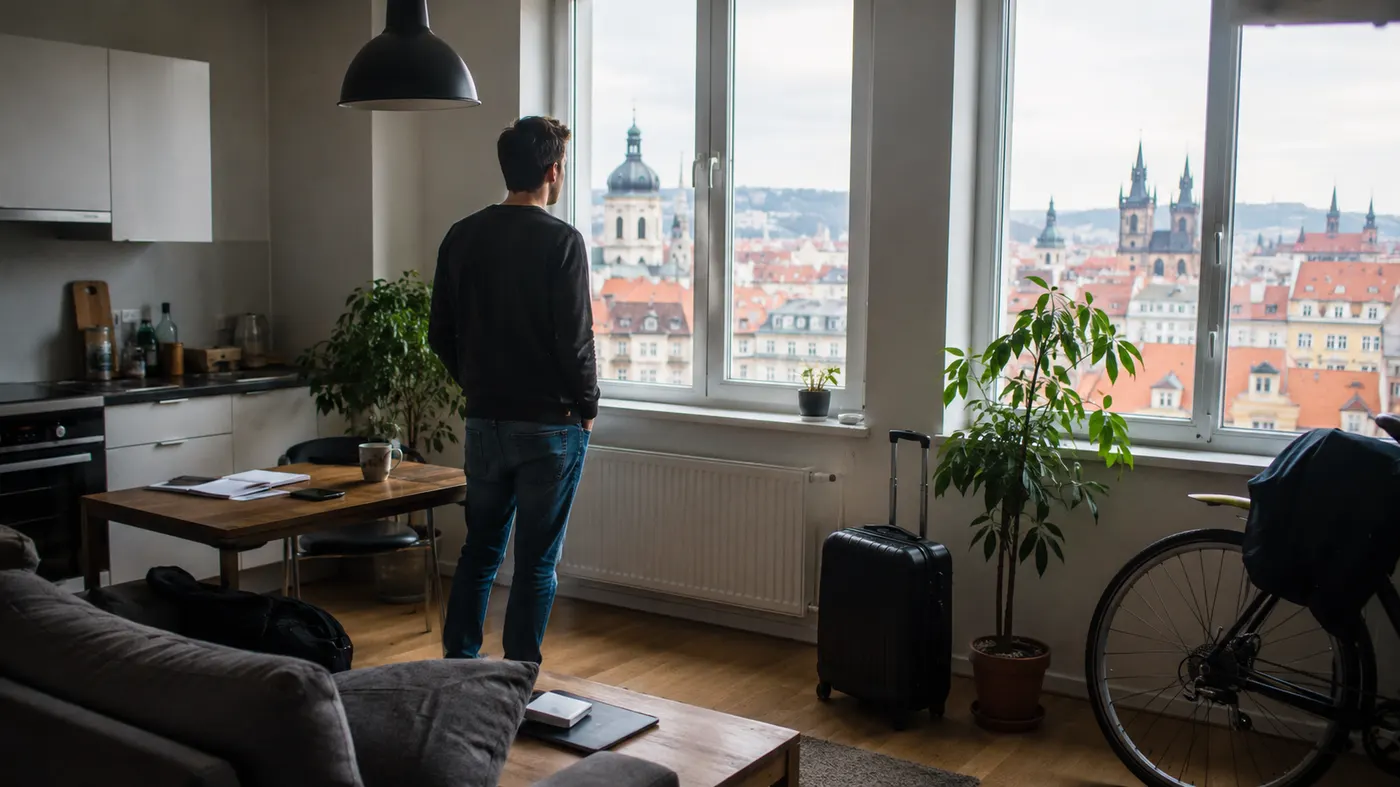
After a tourist impression, this may be surprising. The beautiful center of Prague is one thing. Everyday life with rent, a work schedule, utility payments, and a visit to the doctor is something completely different.
What changes in everyday life
Everyday life in the Czech Republic often feels calm, but it requires attention. Many things work according to schedules, rules, and clearly defined procedures. This is convenient once a person understands the system. But at the beginning, even simple things may take more time.
Gradually, you have to get used to details such as:
- waste sorting;
- public transport schedules;
- booking doctor appointments in advance;
- letters from institutions;
- payment of rent and utilities;
- house rules and quiet hours;
- shop opening hours on holidays;
- the need to keep contracts and payment confirmations.
Over time, these things stop being irritating. On the contrary, they create a sense of predictability: once you understand the system, life becomes easier.
Housing strongly affects quality of life
One of the main factors of life in the Czech Republic is housing. Even a good job does not always compensate for a bad apartment, a long commute, or an inconvenient area.
When choosing housing, it is important to look not only at the price. You need to consider the commute to work, evening transport, nearby shops, noise, neighbors, utility payments, and the ability to rest properly after a shift.
- cheap housing far from work may turn out to be inconvenient;
- a room is cheaper than an apartment, but gives less personal space;
- housing near transport saves time and energy;
- an expensive apartment without clear utility payments can become a problem;
- the area affects mood no less than the apartment itself.
After moving, many people begin to understand that comfort is not only about square meters and furniture. Sometimes a quiet area, a short commute to work, and normal sleep are more important than a beautiful view from the window.
Work sets the rhythm of your whole life
In the Czech Republic, work often becomes the center of the first period after moving. Almost everything depends on the schedule: when a person sleeps, when they buy groceries, when they deal with documents, when they learn the language, and how much energy remains for personal life.
This is especially noticeable with shift work. If shifts are long, night-based, or physically demanding, adaptation goes more slowly. Everything may seem normal: there is income, housing, and documents. But there is almost no energy left for learning the language, communicating, and handling everyday matters.
That is why when choosing a job, it is important to look not only at salary, but also at the schedule, commute, workload, and whether this job suits your life, not just your income.
Expenses feel different than before moving
Before arrival, many people calculate only salary. After moving, it becomes clear that the most important thing is not the amount in the job offer, but how much remains after mandatory expenses.
The main expenses are usually connected with:
- rent;
- utility payments;
- food;
- transport;
- mobile service;
- seasonal clothing;
- medicine;
- documents;
- unexpected expenses.
This is why life in the Czech Republic may feel stable, but not always cheap. If most of the income goes toward housing, a person may work officially and receive a normal salary, but still live without a large reserve.
Why transport becomes an important part of everyday life
Public transport is one of the strengths of life in the Czech Republic, especially in large cities. Many people live comfortably without a car and travel to work, shops, doctors, and other cities by train, tram, metro, or bus.
But transport should be considered already when choosing housing. If work starts early in the morning or ends late in the evening, it is important to check in advance how to get home.
- how long the commute to work takes;
- whether transfers are needed;
- whether transport runs at night;
- how much a transport pass costs;
- whether it is possible to get home without a taxi;
- how convenient travel is in bad weather.
Sometimes a more expensive apartment near transport turns out to be better than cheap housing far from work. Time and energy also have a price.
Language affects confidence
Czech is not always needed at a high level from the first day. But even basic phrases strongly change how life feels. A person becomes less afraid of phone calls, letters, shops, transport, doctors, and conversations with the housing owner.
It is possible to live without the language, especially in big cities, but this often creates dependence on other people. You need to ask someone to translate, explain, call, write a message, or read a contract.
When at least basic understanding appears, life becomes calmer. Not because all problems disappear, but because a person begins to feel more control.
Loneliness after moving can happen even with normal work and housing
One difficulty that is often underestimated is social emptiness. A person may have work, an apartment, documents, and stable income, but still feel lonely.
This happens because after moving, the familiar environment disappears: friends, family, familiar places, ordinary conversations, quick meetings without planning. In a new place, everything has to be built again.
- a social circle does not appear immediately;
- there may be no energy left after work;
- the language barrier makes meeting people harder;
- people around already have their families and usual circles;
- in the first months, all attention goes to practical tasks.
This does not mean that the person made a mistake by moving. Social adaptation usually just takes longer than arranging documents or starting work.
What helps you get used to life faster
Getting used to life begins not with big decisions, but with small repeated actions. When there is a clear route, a favorite shop, a familiar stop, a regular schedule, and a few people to talk to, the country stops feeling foreign.
Simple things help:
- getting familiar with the area;
- finding a convenient shop;
- learning basic phrases;
- creating a clear budget;
- keeping important documents in one place;
- building normal sleep and rest;
- not postponing everyday issues;
- sometimes stepping outside the usual language circle;
- not comparing every day with life before moving.
The more clear points appear in everyday life, the less anxiety remains. The Czech Republic starts to feel not like a temporary stop, but like a place where ordinary life can be built.
Prague and the regions offer different experiences
Life in Prague and life in a smaller city can feel like two different Czech Republics. Prague has more jobs, transport, people, events, language diversity, and opportunities. But rent is higher there, competition is stronger, and the pace is faster.
In the regions, life is often calmer, housing is cheaper, and it is easier to feel a slower rhythm of life. But there may be fewer vacancies, less international environment, and a greater need to speak Czech.
That is why there is no single right option for everyone. Prague suits those who need opportunities and movement. Smaller cities are often better for those who want quiet, lower expenses, and a calmer daily life.
What people start to appreciate later
After several months or a year, the attitude toward life in the Czech Republic often changes. What seemed boring at first gradually starts to feel like an advantage.
- calm streets;
- predictable transport;
- clear rules;
- safety in the evening;
- the ability to live without a car;
- a quiet rhythm outside the city center;
- stable work;
- less chaos in everyday life.
Not everyone starts liking the Czech Republic immediately. Attachment often appears gradually — through habits, routes, people, work, and the feeling that life has become more manageable.
Conclusion
Life in the Czech Republic after moving is not only about work, documents, and housing. It is a gradual rebuilding of everyday life: a new rhythm, different expenses, another language, new practical rules, and more personal responsibility.
The first months may be difficult because everything has to be built again. But over time, familiar routes, a clear budget, stable work, basic language skills, and a sense of control appear.
The Czech Republic rarely feels like a vacation. It is an ordinary country for living — with its advantages, expenses, rules, and difficulties. But calmness, safety, transport, predictability, and the ability to gradually build everyday life become the things many people start to appreciate after the first months of living there.