How to Rent Housing in the Czech Republic After Moving: What to Check Before Paying a Deposit
You can rent housing in the Czech Republic quickly after moving, but not always safely. The main mistake many people make in the first weeks is rushing: they like the apartment, the price seems reasonable, the owner asks for a deposit, and the person transfers money before fully understanding the conditions.
In the Czech rental market, it is important to check more than just the price. You need to understand who is renting out the property, what contract is being offered, how much utilities cost, whether you can register your address there, how the deposit is returned, and what happens if you need to move out earlier.
Housing after moving affects almost everything: the commute to work, expenses, documents, daily life, sleep quality, and the first months of adaptation. That is why renting should not be treated as a formality, but as one of the most important decisions at the start.
Why it is better to look for housing in the Czech Republic without rushing
In Prague, Brno, and other large cities, good apartments are often rented out quickly. Because of this, people may feel that they need to agree immediately, otherwise someone else will take the option.
Sometimes this is true. But rushing often leads to mistakes: a person does not read the contract, does not clarify utility payments, does not check the owner, does not photograph the apartment when moving in, and does not understand under what conditions the deposit can be returned.
If an apartment looks good, it does not automatically mean the conditions are safe. In rental matters, not only photos are important, but also documents, agreements, payments, and the actual rules of living there.
What to check before paying a deposit
A deposit should not be paid simply because you liked the apartment. Before transferring money, you need to receive clear information on the main points.
- the exact address of the housing;
- who is renting out the apartment;
- whether they have the right to rent out this property;
- the amount of monthly rent;
- the amount of utility payments;
- the amount of the deposit;
- the rental period;
- the conditions for returning the deposit;
- whether address registration is possible;
- who pays for minor repairs;
- whether there is furniture and appliances;
- how many people may live in the apartment.
If someone asks for money in advance but does not show a contract, does not provide the exact address, refuses a viewing, or rushes you to pay, this is a bad sign. It is better to lose one option than to lose your deposit.
Why the contract is more important than messages
Messages help record agreements, but the main document remains the rental contract. It should contain the main conditions of living, payment, and moving out.
It is important to check the following in the contract:
- the name of the owner or the party renting out the property;
- the tenant’s details;
- the apartment address;
- the rental period;
- the rent amount;
- utility payments and advances;
- the deposit amount;
- the conditions for terminating the contract;
- penalties and additional payments;
- rules of living in the property;
- conditions for returning the apartment.
If the contract is written in Czech, it should not be signed blindly. At minimum, the key points should be translated: payment, term, deposit, move-out conditions, utilities, repairs, and the responsibilities of both parties.
How rental differs from sublease
In a standard rental, the contract is signed with the apartment owner or their official representative. In a sublease, the property is rented out by a person who rents the apartment themselves.
A sublease can be a normal option, especially when renting a room. But you need to make sure that the main tenant has the right to sublease the property to other people.
If they do not have this right, problems may arise: from eviction to being unable to use the address for documents. That is why before paying, you need to clarify exactly who is renting out the housing and on what basis.
How much money you need to prepare at the start
The first month after moving often costs more than it seems in advance. You need to account not only for rent, but also for the deposit, utilities, transport, mobile service, groceries, and household items.
At the start, you usually need money for:
- the first month’s rent;
- the deposit;
- agency commission, if the housing was found through an agency;
- utility payments;
- transport to work;
- mobile service;
- groceries;
- dishes, bed linen, and household essentials;
- a reserve until the first salary.
Even if a job has already been found, the first salary usually does not arrive immediately. That is why moving without a financial reserve is risky. The most unpleasant situation is when rent has already been paid, the deposit has been transferred, and almost no money is left for living expenses until payday.
How not to lose your deposit
The deposit protects the owner from debts, damage, and unpaid services. For the tenant, it is a large amount of money that is important to get back after moving out.
To reduce the risk of losing the deposit, you should:
- pay the deposit only after checking the conditions;
- receive payment confirmation;
- keep the contract and messages;
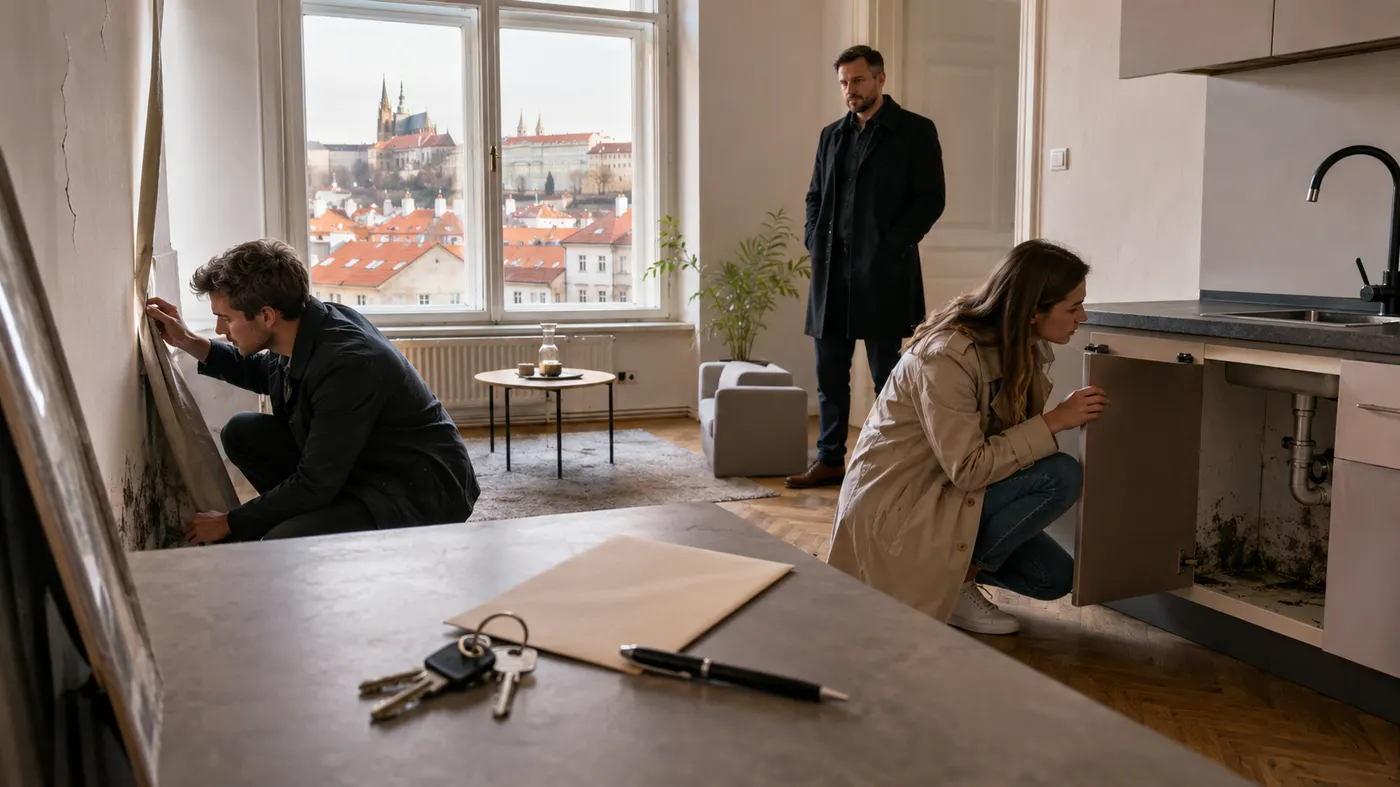
- take photos of the apartment when moving in;
- record the condition of furniture and appliances;
- write down meter readings;
- sign a handover protocol;
- clarify the timeframe for returning the deposit;
- not leave disputed issues only in verbal agreements.
Photos taken when moving in are simple protection. It is better to photograph the walls, floor, windows, furniture, appliances, bathroom, kitchen, and all damage that was already there before moving in.
Why a handover protocol is needed
A handover protocol records the condition of the housing at the time of moving in. This document helps avoid disputes when moving out.
It is advisable to include the following in the protocol:
- the overall condition of the apartment;
- a list of furniture;
- the presence of household appliances;
- existing damage, if any;
- meter readings;
- the number of keys;
- the date the property was handed over;
- signatures of both parties.
If there is no protocol, it may be harder to prove when moving out that a scratch on the floor, a broken handle, or a stain on the wall was already there before you moved in.
Which listings should raise concerns
There are rental listings that look too good: a low price, beautiful photos, city center location, urgent availability, and a request to transfer money quickly.
You should be cautious if:
- the price is noticeably lower than similar options;
- there is no opportunity to view the property;
- they ask for a deposit before the contract;
- they do not provide the exact address;
- the owner communicates only through a messenger;
- the photos look like they are from a catalog;
- there is no detailed description of the conditions;
- they refuse to show documents;
- they rush you into making a decision;
- they ask you to transfer money to an unclear account.
If you have doubts, it is better not to pay. Housing is important, but a lost deposit and problems with moving in cost more than a few extra days of searching.
What to consider when choosing an area
Rent price is not the only criterion. The area can strongly affect expenses and quality of life. A cheap apartment far from work sometimes turns out to be less beneficial than more expensive housing near transport.
Before choosing an area, it is worth checking:
- how long it takes to get to work;
- whether transport runs early in the morning and late in the evening;
- whether there are shops nearby;
- how safe it is to return home in the evening;
- whether there is a doctor, pharmacy, school, or kindergarten nearby;
- how much transport costs;
- whether there is noise from a road or tram;
- whether it is convenient to get around without a car.
For those who work shifts, transport is especially important. If the shift ends late, you need to understand in advance how to get home at night.
What to do in the first days after moving in
After receiving the keys, it is important not to postpone basic household checks. The first days are better used to record the condition of the apartment and resolve organizational issues.
- check the water, heating, electricity, and internet;
- photograph the apartment;
- keep the contract and payment confirmations;
- write down meter readings;
- find out the rules for waste disposal;
- check the route to work;
- find the nearest shops and stops;
- clarify whom to contact in case of breakdowns;
- sort out the mailbox;
- check the address registration issue if it is needed for documents.
If the housing is connected to documents or a residence permit, the address issue should not be left for later. It is better to clarify everything before payment, not after moving in.
Conclusion
You can rent housing in the Czech Republic after moving, but safe renting starts with checking the conditions. Before paying a deposit, you need to understand who is renting out the apartment, what contract is being offered, how much the housing costs together with utilities, whether address registration is possible, and how the deposit will be returned.
The most common mistakes are paying money before signing a contract, not reading the conditions, not recording the condition of the apartment, not clarifying utility payments, and agreeing only because of a low price.
Good housing does not have to be perfect, but the conditions must be clear. If the owner or agent calmly answers questions, shows documents, is ready to sign a contract, and does not rush payment, this is a good sign. The more carefully a person checks housing before moving in, the calmer the first months after relocation will be.